Model of the Week
Kimi K3 builds a 3D game. Picked blind, it beats GPT-5.6
The largest open AI model in the world comes from China and wins blind against the US frontier. What Kimi K3 does, and what open weights change for you.
 Thomas Reigl 4 min read

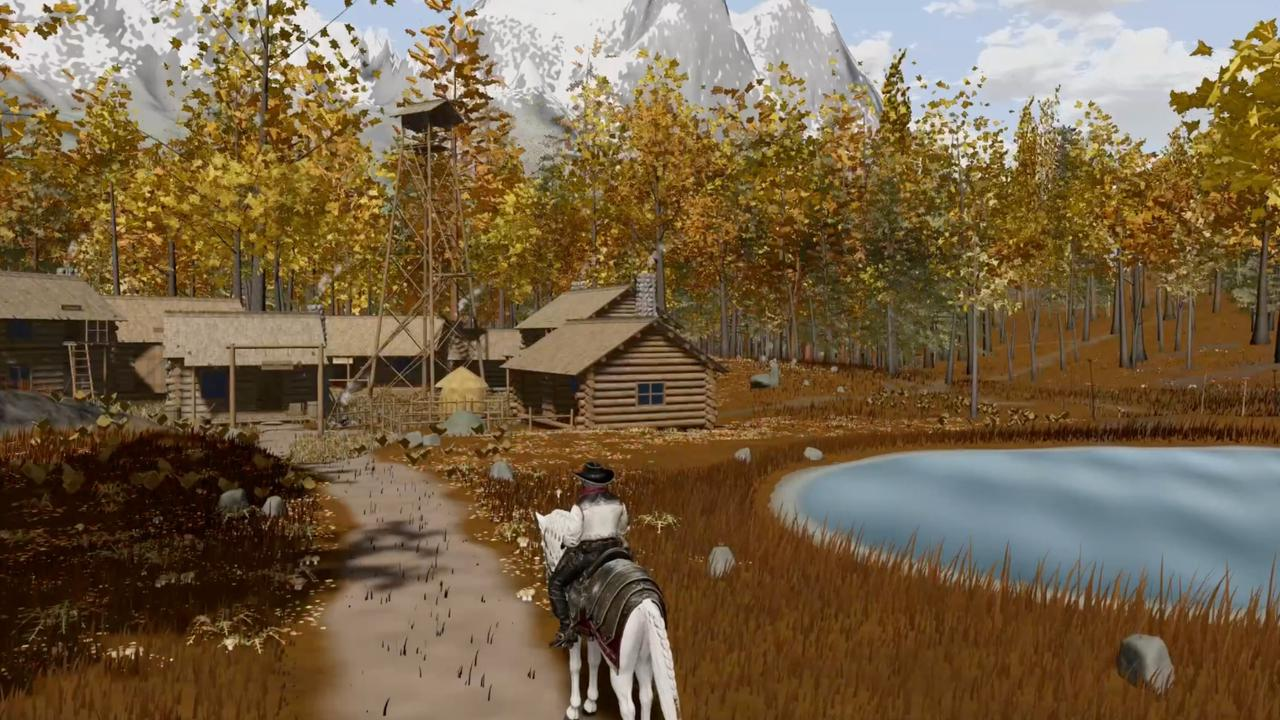
Moonshot showed a 3D open-world game that their new model built end to end, in the browser. Not a mockup. The game: Three.js, WebGPU, GPU compute, running.
And the model did not write that code blind. It looked at screen recordings of the result, changed the code, then looked again to check whether it now looked right. See, change, check, start over.
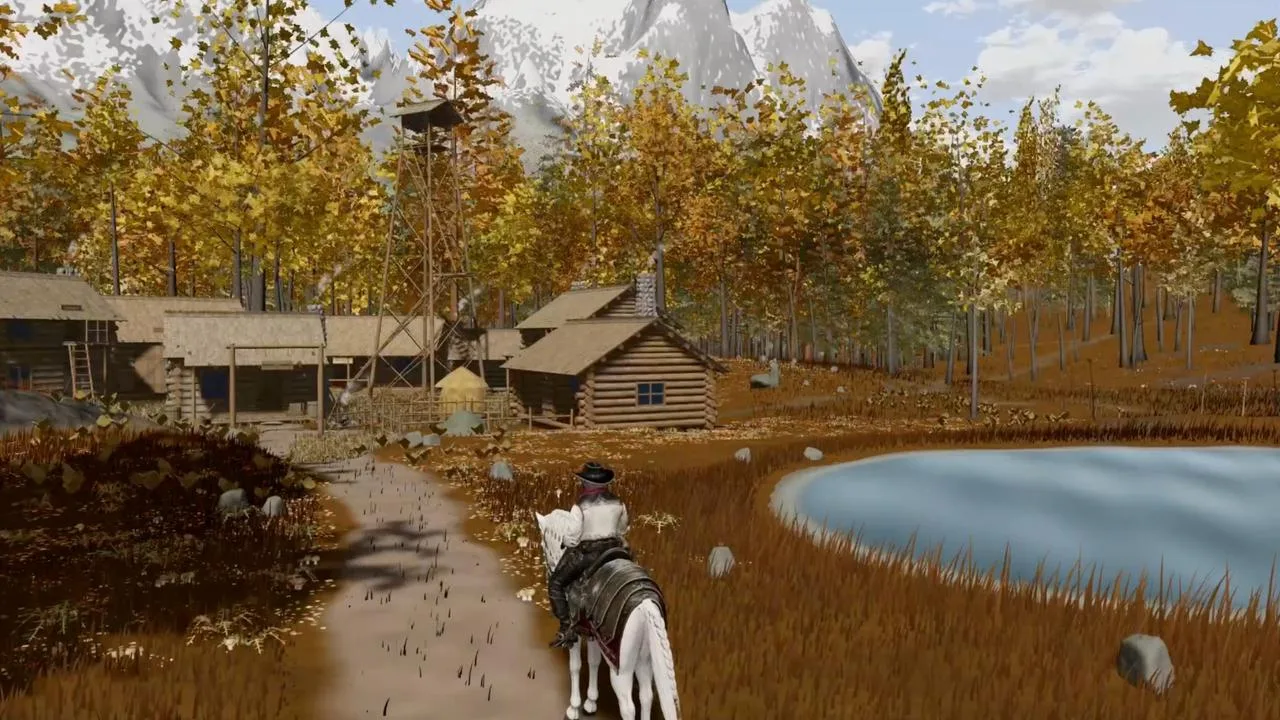
Screenshot from “Cabin in the Woods”, Moonshot AI. The demo runs live in the browser and you can ride it yourself (WebGPU required). Horse, rider and terrain data come from off-the-shelf assets, according to Moonshot. What K3 built is the code and the environment.
On 16 July, Moonshot AI released Kimi K3. 2.8 trillion parameters, the largest open model in the world.
The number that stings in Silicon Valley
In the blind tests run by the evaluator Arena, Kimi K3 sits first for frontend coding: 1678 points, ahead of Claude Fable 5 at 1631 and GPT-5.6 Sol at 1618. In 75.5 percent of head-to-head comparisons, developers pick Kimi (Code Arena, as of 17 July).
Blind means the developers did not know which model they were using. Kimi ran under the codename kivine-wxzc. No brand bonus, no China penalty. Just the result.
One caveat missing from most write-ups: Kimi leads in six of the seven categories. Not in the seventh, and that one happens to be gaming, where Claude Fable 5 is ahead. So the model that just built the most impressive game of the week comes second in the games category. The rating is also young: 1,757 votes, and Arena still lists the entry as provisional.
Then there is the engineering behind it: a mixture-of-experts design in which only 16 of 896 experts fire for any given request. So you are not paying for 2.8 trillion parameters per question, only for a small slice of them. The new Kimi Delta Attention makes responses up to 6.3 times faster, according to Moonshot. Context window: 1 million tokens, with text, image and video as input.
Why “open weights” is your topic, even if you never run a model yourself
On 27 July, Moonshot publishes the weights. That means anyone can download the model and run it on their own hardware. No API contract, no vendor in between, no more question about where the data goes, because it does not go anywhere.
For most mid-sized companies that is still not an option, and I will say why in a moment. But the effect reaches you anyway:
When an open model is level with the frontier, the frontier is no longer scarce. And what is not scarce gets cheap. That is exactly what has happened over the past two years to every capability that slid from “exclusive” to “also available openly”. You notice nothing on announcement day. You notice it when your vendor cuts prices in the autumn without you asking.
The second effect is more practical. An open model of this class is the realistic answer to “this must not leave our building”. For design data, client files or personnel records, a model running on your own hardware stops being a compromise and becomes a real option. How to put sensitive workloads on your own model without running a second island tool next to it is covered in Why one AI model is never enough.
The catch
Nobody drops 2.8 trillion parameters onto the company server over lunch. The hardware for that is a data centre, not a rack in the server room. So “open weights” does not first mean “runs at our place”, it means “several providers can host it, European ones included”. That is the difference that counts: not self-hosting, but choice.
And provenance is a question you will ask yourself before anyone asks you. A Chinese model on European infrastructure is legally something entirely different from a Chinese service you send your data to. For a model, what matters is where it runs, not where it was made. Which is precisely why the place of processing is the first question, not the vendor’s nationality. The criteria for that are in EU hosting and GDPR.
What I take away from this week: the idea that the best models come out of two or three Californian houses and that you pick between them has crumbled a little further. For you that is good news, whatever you end up using.
Sources: Axios, “China’s open-weight Kimi model stuns AI world with frontier-level results”. VentureBeat, “China’s Moonshot AI releases Kimi K3, the largest open-source model ever”. SiliconANGLE, “Moonshot throws down the gauntlet with Kimi K3”.